
How Smart Technology Is Transforming Port Operations
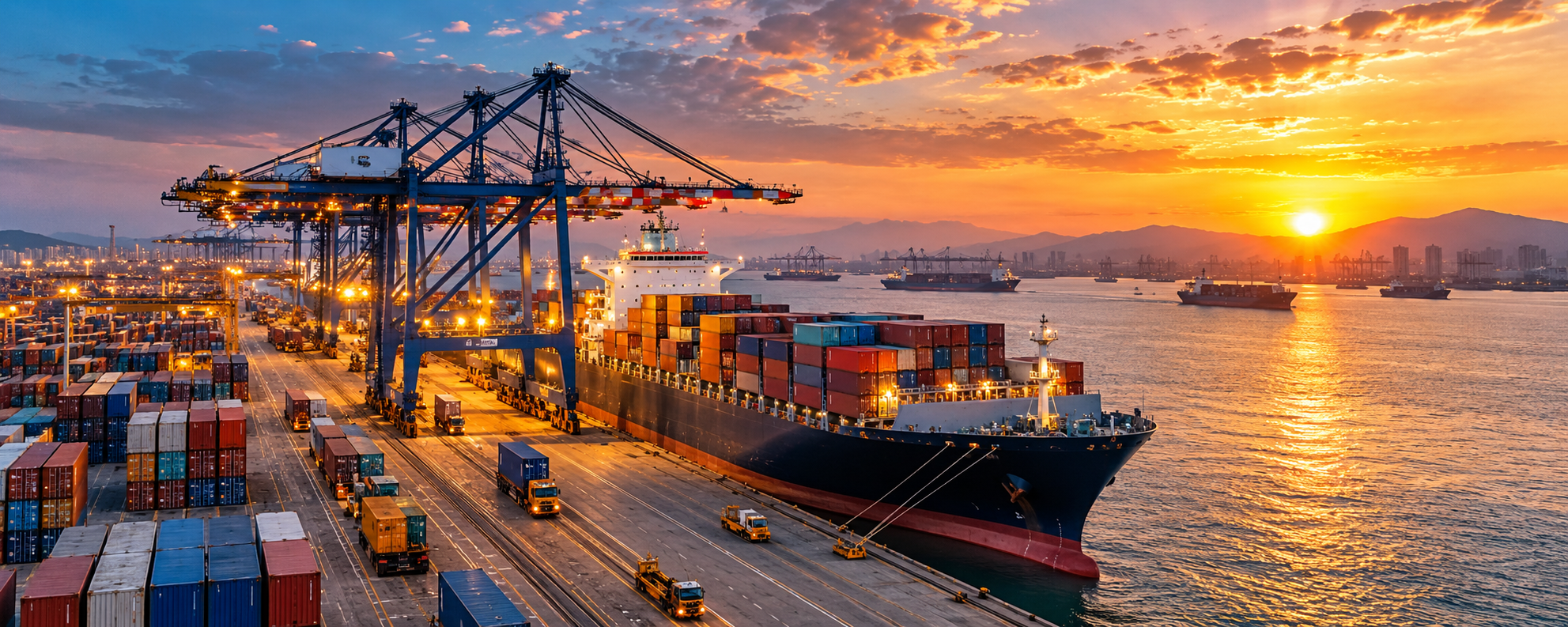
Modern commercial ports are becoming some of the most technologically advanced workplaces in the global economy. Every day, enormous cargo vessels transport thousands of containers containing electronics, food products, machinery, and essential industrial materials. Managing these shipments requires precise coordination between shipping companies, terminal operators, customs authorities, and logistics providers. Smart port technology helps businesses improve efficiency through automated cranes, digital cargo tracking, artificial intelligence, and real-time communication systems. These innovations reduce unnecessary delays and make international supply chains more transparent. However, successful port management involves more than advanced equipment. Maritime professionals frequently work rotating shifts, manage demanding schedules, and operate in environments where safety and concentration are essential. As port businesses invest in technological improvements, employee comfort and workplace well-being are becoming increasingly important considerations for sustainable growth.
Digital Entertainment and Relaxation in Maritime Life
Working in the maritime industry can involve long hours, extended journeys, and limited opportunities for conventional leisure activities. After completing a demanding shift, port employees and vessel crews often look for simple ways to relax and disconnect from professional responsibilities. Streaming platforms, online puzzles, digital games, and virtual entertainment experiences have become convenient options for people with unpredictable schedules. Exploring casino options can feel like opening a menu of different styles, moods, and entertaining possibilities. Find another potential source of casino inspiration through best online casino real money australia while staying focused on enjoyment rather than expectations. After browsing, weigh the details against your priorities and remember that every wager carries uncertainty. Anyone considering real-money gambling should verify local legal restrictions, understand financial risks, and establish strict personal spending boundaries. For maritime workers, entertainment should support recovery rather than interfere with sleep, financial stability, or professional responsibilities. Free digital games, online learning platforms, and communication with family members provide additional ways to enjoy leisure time without unnecessary expenses.
Why Employee Well-Being Matters for the Future of Ports
The future of the maritime industry depends on balancing operational performance with the needs of the people who keep international trade moving. Port authorities and logistics companies increasingly recognize that comfortable working conditions, effective communication, and reliable rest opportunities contribute to safer operations. Modern employee facilities may include quiet relaxation areas, internet connectivity, comfortable seating, and access to educational resources. Digital training programs also allow maritime professionals to improve technical skills and prepare for emerging technologies. Meanwhile, investments in environmentally responsible infrastructure, energy-efficient equipment, and intelligent traffic management help ports remain competitive. Supporting employee well-being is particularly important in industries where fatigue and concentration can directly affect workplace safety. Businesses that encourage reasonable working schedules and access to healthy recreational activities can create more sustainable professional environments. Ultimately, a successful smart port is not simply a collection of automated machines and connected systems. It is a modern business ecosystem where technological innovation, efficient logistics, and human well-being work together to support reliable global trade.